Showing posts with label bees. Show all posts

Tuesday, 9 April 2019

This Autumn in the Garden

It was a long, dry and very hot Summer here but we've had rain. There is just nothing like heavy, soaking rain! Everything is lush and green again. I lost a few plants over this past Summer; even a tough and hardy salvia. My avocado tree didn't make it either but it was looking sickly even before the Summer began so we made the decision not to waste any more water trying to get it to "perk up".  I won't replant another avo but will reinvigorate the soil with our compost and worm tea and then try a second citrus tree in that same spot. While a few plants didn't survive the Summer and have been duly composted, there are some, like my pineapple sage, that are showing signs of new life after pruning and rain. 

New leaves on the pineapple sage.

The pots of Portulaca that I planted, to cheer up that oppressive Summer and thus myself, are blooming beautifully. I have not grown these before but I am loving their gorgeous colours. I have a creamy yellow, a sunny yellow and a deep pink one. 

Pretty Portulaca in a pot.

Our little native bees carried on with their work while we carried on with ours. They love the Portulaca flowers too!

A little native bee on a Portulaca flower.

Our hive of native bees withstood the Summer heat; its position under the shade of the back deck keeping the hive cooler. Native bee hives can perish in high temperatures.  The entrance to their hive has been a busy one at particular times of day and, as always, they remain fascinating to watch. I often get distracted from my gardening chores and find myself resting on my shovel watching them!

 A salvia popular with all kinds of bees.

We've also been watching all the different bees that have been attracted, like bees to a honeypot (Sorry...couldn't help putting that in!), to this vigorous flowering salvia. It's been very popular with our tiny native bees, visiting honeybees and even a single teddy bear bee. What surprised us though, as we've never observed it before, were the dozens and dozens of native blue-banded bees that have been foraging in its flowers. These native bees are solitary so seeing so many on the same plant at the same time sent me off to research why. It seems that, while they are solitary, they will build their little nests very close to one another, sometimes in the same spot, burrowing into clay beside one another. There's always something new to learn from observing the garden! 

I plan to take cuttings and plant more of this salvia around the garden. It grew vigorously during our hot, dry Summer so its hardy and it provided lots of flowers for lots of different bees to forage in. It's a great plant!

A honeybee clings to one of this salvia's many little flowers.

While most of the salvias did well in our garden, our veg patch produced next to nothing all Summer. That's because I didn't plant anything much in the heat and neglected it as I seemed to lose my enthusiasm when I found, all bar one, of the Lebanese Cucumbers I was looking forward to munching on had been munched on by something else first. A gardener's heartbreak!

Leftovers in our veg patch.

Yesterday, before the sun was too high in the sky, I cleared out what was left in the veg patch and was pleased to see that the rain has left the soil crumbly and moist. I will prepare our little patch, the same way I always do, and plant soon. Better late than never! I want to grow what is tried and true here. Some silverbeet, lettuce, Tuscan Kale, beetroot, perpetual spinach and leeks. I will start with seedlings and I will put in some sweet peas too. I always have to have flowers!

Yesterday too, I was reading (because when I'm not gardening, I am dreaming about gardening) about urban flower farming in this Planthunter article and then read Dahlias at Dusk, over on Kate's blog, Foxs Lane. Oh, my! I would love my own little urban flower farm and I've never grown Dahlias and now think I must one day.  I have also enjoyed reading what some of you are growing in your gardens and what your veg patch plans are. Inspiration everywhere! 

Better get on with the turning of garden dreams into reality! 
Meg


Sunday, 24 March 2019

A Bee's Honeypot

My Sunday morning began with a slow stroll through the park and along the streets with Sir Steve dog. The quiet of the morning was all ours! Both of us contentedly ambled along; my elderly statesman taking his sweet Labrador time to smell every tree trunk and blade of just-the-right-type of grass (and munching on the occasional one too) while I soaked up the early rays of morning sun that cast such a gentle light.

Bees on a blossom.

I heard the industrious hum of these bees, and all their companions, well before I saw them. I too caught wafts of the sweet and slightly vinegary scent of the pale yellow blossoms they were plundering.  Such hard work on a Sunday for these little bees. 

I guess bees don't have weekends ... I'm very glad I do!

Meg


Wednesday, 10 October 2018

Purple & White Flowers in my Garden

There are masses of some very pretty purple and white flowers blooming in the garden right now. I think the deeper purples really highlight the pure whites they are in flower with. A lovely colour combination!


Salvias have fast become one of my favourite plants in our sub-tropical garden.  They are colourful, fragrant, long-flowering, hardy and bees love them! I have quite a few different varieties growing now. This particular one, grown from a cutting, was given to me by a friend. It's thriving in the garden, covered in a mass of flowers. Whenever I see it, I think of my lovely gardening friend.


Wild Iris

A row of these strappy plants stops soil, from our driveway garden bed, washing into the rocky path we've made along one of our side boundary fences. Every single one of these plants came from the division of a clump I have in another part of the garden. They are incredibly hardy and readily self seed so you need to be sure you want them in your garden before you plant them! Wild Iris is sometimes called Butterfly Grass. Their masses of white and lilac flowers, fluttering about on the tops of their longs stems, do remind me of butterflies.


I remember this old-fashioned shrub from the gardens of my childhood. It's so pretty when in bloom; covered in flowers that fade from a deep purple all the way to white. It has a sweet fragrance too. Rather nondescript when not in flower, it's stunning when covered in a profusion of purples and white.

What colours are you noticing in your garden right now?

Meg


Friday, 14 September 2018

The Freshness of Spring

After a very dry Winter, Spring has brought with it such welcome rain. Rain that has sparked the new growth of this new season.  The grass is growing green again. After their deciduous Winter, the first leaves are unfurling on the plane tree. Creamy, fragrant blossoms cover our mandarin tree. The bees and the butterflies are busy, attracted by the emergence of more and more flowers. While I am excited too, by the blue of the cornflowers and the deep orange buds on the hibiscus, I am more enchanted this year by the freshness of Spring's green.

 New leaves emerging on the Plane Trees.


A honeybee foraging in a mandarin blossom.

A little cucumber seedling.

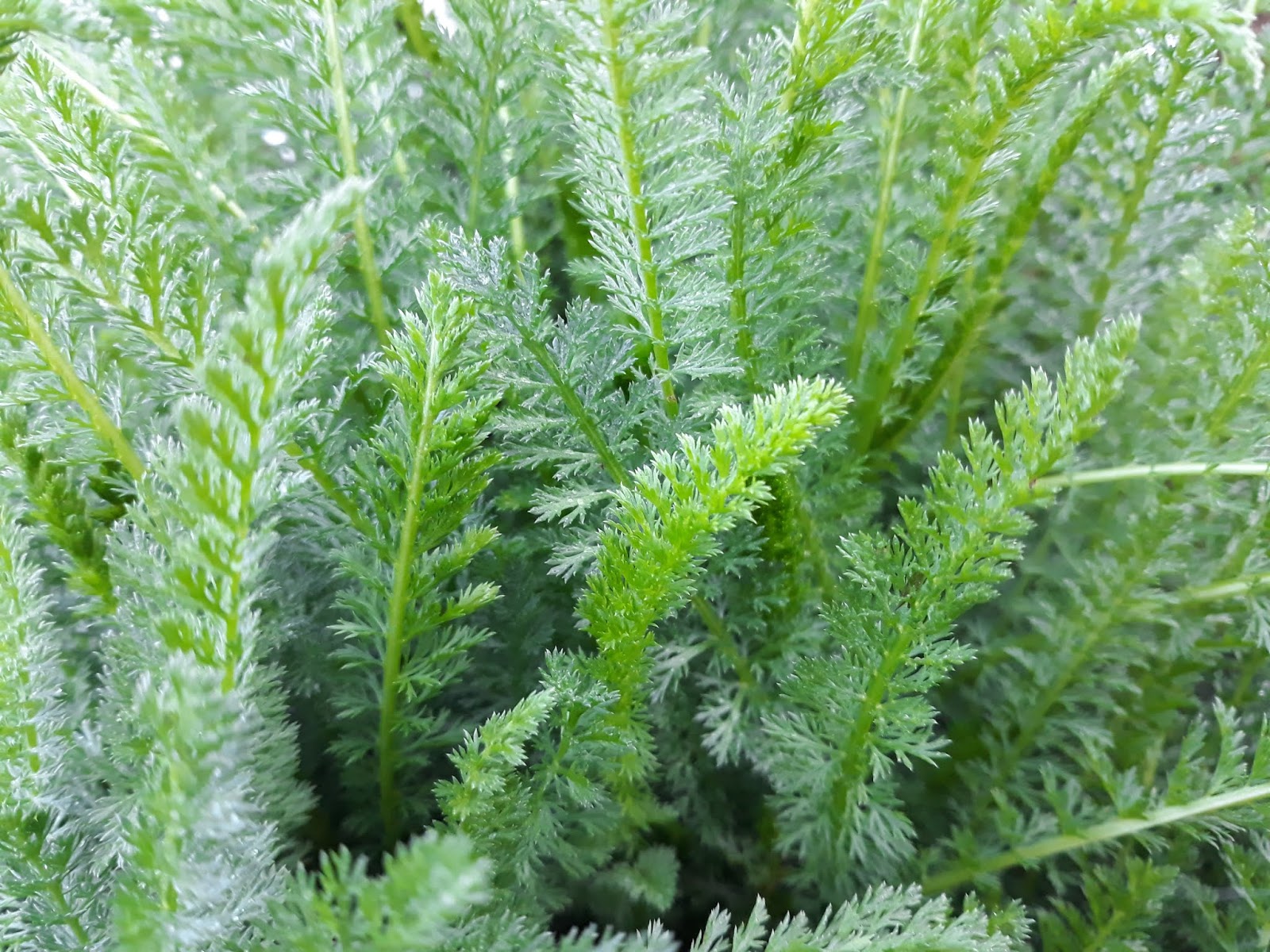
Feathery new growth on  Yarrow.

My own enthusiasm for the garden, which had waned with the lack of rain, has returned anew. Little seedlings, cucumber and snow peas mostly, have been tucked into warm, replenished soil. Pots of multicoloured petunias have been planted up and will no doubt flower soon. Clumps of day lilies have been divided and replanted in the little garden by the front gates and a dwarf mulberry tree settled into a pot where it will hopefully thrive. It seems that rush of fresh Spring green, that followed that most welcome rain, has lifted my inner-gardener's hopes!

I have deeply felt the change from Winter to Spring this year, more strongly than I can remember in years gone by.  How about you? How have you responded to the turning of nature's seasons in your part of the world?

Meg

p.s. I am keenly aware of how lucky we have been to receive rain here. There are many in Australia; farming families and communities, their stock and our wild creatures; struggling with terrible drought.  I hope that the heavens will open over their parched lands soon. Xx


Monday, 7 August 2017

Behind Our Blue Gates 2

The days have been warmer here though Spring is still officially another month away. Spring looks like it's arriving in the garden too as there is much in bloom. As you enter, through our little front gate, a sweet scent greets you, released by the masses of flowers on the Michelia Coco hedge. As you walk past, you'll hear the buzz of honeybees and see the specks that are native bees, working away industriously among these fragrant flowers. Around the back, masses of beautiful blue Lobelia and snowy, honey-scented Alyssium border the main vegie patch. The bees love these too! The delicate scent of Sweet Pea, all pink petals instead of the pure white of last year, and the yellow sunshine of Calendula intermingle with the veg planted there. Our patch is a riot of colour and homegrown food that just simply makes me happy. Come on in, through our blue gates, and see what's been happening of late...

Beautiful & blue ...
bee-friendly Lobelia is in flower in the garden. 

Blooming Blue Lobelia and white Alyssium edge our vegie patch.

 Two varieties of homegrown lettuce are ready to eat. 

Simple salads, like this one, have featured in weekend lunches.

 Many lunches have been packed up at the kitchen bench.

Some simple slices have been baked.

A new washcloth is forming on my knitting needles. I love this new-to-me pattern!


The first sweet peas are in bloom. A delicate fragrance beyond compare!

A new oven was installed in our kitchen.
(After 14years of constant and reliable service, the old one went kaput!)

We are now preparing our house for a major Spring clean. The verandah has been cleared and the timber boardwalk swept ready for washing down. Windows are being washed. When Spring does officially arrive, our home will be sparkling clean. Ready to greet a new season!

What's been happening behind your gates lately?

Meg

Monday, 22 May 2017

Jelly Bush Honey

Every year, I always bring home a few treasures from the little monthly market on beautiful North Stradbroke Island ("Straddie") where we go for holidays every year. There's always a few bars of handmade soap, a bargain from the secondhand stall, something knitted or woven or sewn by a local crafter and we never leave without some island honey. 

The honey stall is my favourite among all the little market stalls. I love to chat with the beekeeper (whom I've affectionately nicknamed "The Bee Man") about all things bees and I never fail to learn something new about these amazing little insects and their honeys. This year, I brought home a rather special honey too.

Jelly Bush Honey from North Stradbroke Island.

Jelly Bush Honey is thick, oozy honey. It comes from a tree in the Leptospermum family as does New Zealand's medicinal Manuka Honey. The Jelly Bush Honey I bought has an activity rating of 20+.  This rating reflects the antibacterial level determined by tests in a laboratory. As I understand it, the higher the total activity rating, the higher the antibacterial level in the honey. On the side of my little pot of this special honey, it says it can be used as an ointment for wounds and ulcers and that it can be taken to soothe sore throats too. 

As we often soothe our sore throats with a teaspoon of honey or a warming honey and lemon drink, I thought bringing home a little pot of this Jelly Bush Honey may come in handy during the colder months. I used it recently, when I developed a cold, and I found that it did soothe my sore, scratchy throat. And it tasted lovely too!

Jelly Bush Blossom (Leptospermum polygalifolium)
Photo credit ~ John Tann via flickr.com

Straddie's bees forage in a beautiful place and they make beautiful honeys. When we return this Summer, they'll be busy collecting pollen from the Leptospermum's flowers and turning that in to this amazing Jelly Bush Honey. I will bring some home with me again, across the bay.

Meg


Friday, 5 May 2017

The Work of the Bees

One of the things that gives me the most pleasure in my garden is the sight and sound of bees working among the flowers.  Our teeny-tiny native bees take flight from their hive each morning on a trajectory to their favourite exotic and native blooms. Larger and solitary native bees, like the beautiful Blue-banded Bee and the noisy Teddybear Bee, find their treasure here too. Honeybees stop by to plunder the flowers and fill their pollen baskets before taking off to somewhere new.

A honeybee upon a salvia flower in our garden.

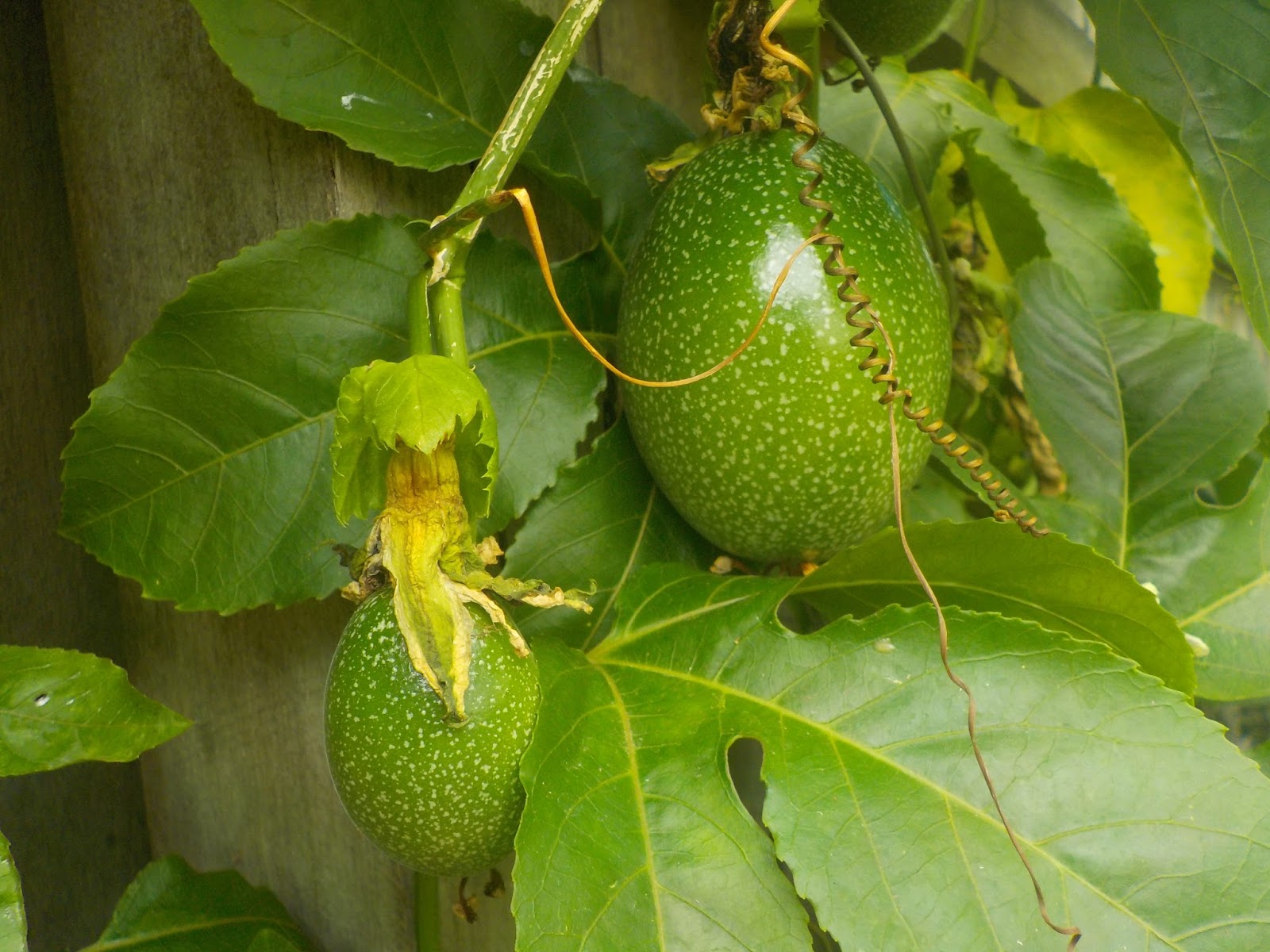
While they may be only small, the work of bees is of such huge importance. As they go about their work, they pollinate a very significant percentage of our food crops. (80% of Australia's fruit, vegetable, grain and nut crops according to Michael Mobbs in his book, "Sustainable Food"). In our own garden, the evidence of their "handy-work" is everywhere. It's in the newly forming passionfruits that hang like baubles from the vine that runs along our back fence. It's in the ripe mandarins that grew after the sweetly-scented blossoming of our backyard tree. And, it's in the beginnings of a destined-for-soup pumpkin forming on our "volunteer" vine. This is food that we can harvest and eat because of the work of bees. 


Evidence of the work bees do grows in our garden.

Bees do so much more than make honey!  Unfortunately though, honeybee populations are in decline around the world because of a phenomenon called colony collapse disorder. It seems that a number of factors may cause this dramatic collapse/death of a hive: pesticides (with much focus on a group of chemicals called neonicotinoids), habitat loss, disease and varroa mite infestation. With these threats impacting upon their populations, bees need all the help we can give them. We can:

Grow flowers and other bee-friendly plants!
(habitat & food)

Avoid using chemicals and insecticides!
(on lawns & gardens)

Provide water for bees to drink!
(A shallow dish with a stick or stone bridge so they don't drown.)

Construct a bee hotel. 

Write to councils to ask them to stop spraying implicated insecticides/pesticides.
(e.g. on parks, roadside kerbs etc.)

Buy raw, local & untreated honey.
(Get to know the beekeeper & their ethics.)

Grow some of your own food without using chemicals.
(The bees will help you with pollination!)

Adopt a native stingless bee hive for your garden.

Read more about bees and their importance to our food supply.

Tiny native bees at the "front door" of their hive in our garden.

If we pondered, just for a moment, what could happen to our food supply without the pollination of crops carried out by bees, supermarket shelves might look like this! That's only one sobering example of just how much our food supply is reliant upon the work of the bees. 

The next time I see a honeybee loading up its pollen baskets in my salvia flowers or see one of our tiny native bees atop a passionfruit bloom, I think I'll whisper a quiet, "Thank you" and I'll promise to do more.

Meg

p.s. ABC TV's Catalyst program has this story on colony collapse disorder if you are interested in learning more.